
Pawnbroking in Malaysia is regulated by the Pawnbrokers Act 1972, ensuring legal protection for both pawnbrokers and borrowers rolex watch pawn shop. Licensed pawnbrokers must adhere to strict rules on interest rates and transparent contracts. Borrowers have rights to clear loan terms and must repay within set periods to reclaim pledged items. Failure to repay results in forfeiture, with pawnbrokers authorized to sell forfeited goods. Understanding these safeguards helps protect your assets and highlights key responsibilities involved.

Overview of Pawnbroking Laws in Malaysia
Pawnbroking in Malaysia is regulated primarily under the Pawnbrokers Act 1972, which establishes the legal framework for the operation and licensing of pawnshops.
This legislation aims to balance the interests of both pawnbrokers and customers, ensuring transparent and fair transactions. It defines permissible loan amounts AIENB Gold Pawnbroking, interest rates, and redemption periods, safeguarding borrowers from exploitative practices.
The Act also mandates proper record-keeping, protecting the rights of both parties and promoting accountability. By setting clear legal standards, the law supports individuals seeking financial flexibility without compromising their assets.
Licensing Requirements for Pawnbrokers
Although operating a pawnshop can be a profitable venture, obtaining the proper license is a mandatory step governed by the Pawnbrokers Act 1972.
Prospective pawnbrokers must apply to the local authorities, typically the state government, providing detailed information about their business premises and financial standing. The application undergoes scrutiny to guarantee compliance with legal standards, including the suitability of the location and the integrity of the applicant.
Licenses are issued with specific conditions, such as limits on interest rates and record-keeping requirements, to protect both the pawnbroker and consumers. Operating without a valid license is illegal and can lead to severe penalties.
Consequently, licensing serves as a safeguard, balancing entrepreneurial freedom with regulatory oversight, guaranteeing the industry operates transparently and responsibly within Malaysia.
Rights and Responsibilities of Borrowers
Once licensed pawnbrokers are established, attention shifts to the individuals engaging with these businesses—the borrowers.
Borrowers possess the right to receive clear information about loan terms, interest rates, and redemption periods before entering agreements. They can expect transparency and fair treatment, ensuring their assets are handled responsibly.
Responsibilities include providing accurate details about the pledged items and repaying the loan within the agreed timeframe to reclaim their property. Failure to meet repayment obligations may result in the forfeiture of the pledged goods.
Borrowers must also understand that pawned items serve as collateral, emphasizing the importance of informed decisions. This balance of rights and duties supports borrowers’ autonomy while safeguarding their interests within the pawnbroking framework.
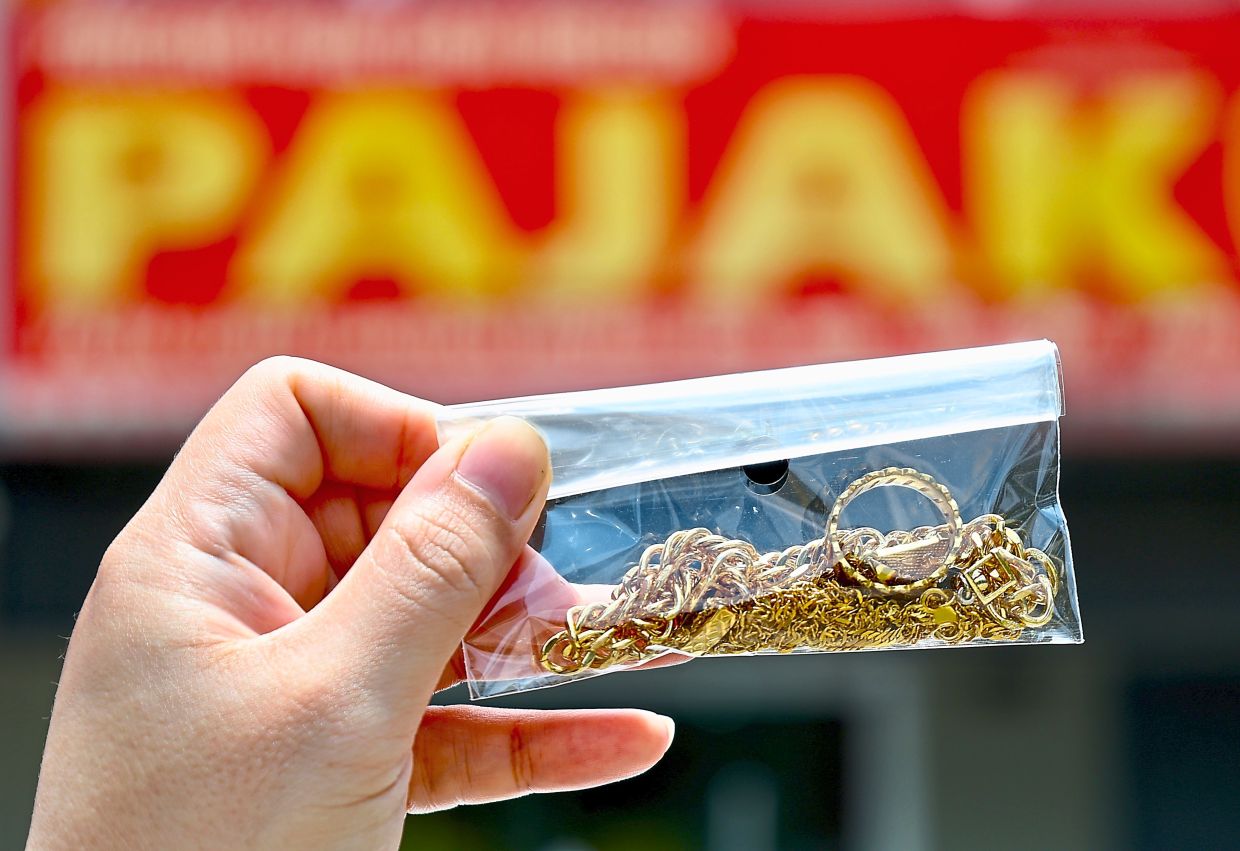
Consumer Protection Measures in Pawnbroking
Consumer protection measures play an essential role in maintaining fairness and trust within the pawnbroking industry in Malaysia.
Regulatory frameworks guarantee transparency in loan terms, interest rates, and charges, safeguarding borrowers from exploitative practices. Licensed pawnbrokers must provide clear, written contracts detailing the loan amount, fees, and redemption period, empowering consumers to make informed decisions.
The government enforces caps on interest rates to prevent usury, protecting borrowers from excessive financial burdens. Additionally, mechanisms exist for dispute resolution, allowing consumers to seek redress when disagreements arise.
These protections enable individuals to access pawnbroking services confidently, preserving their autonomy over personal assets while promoting ethical business conduct within the industry. Such measures balance freedom with responsibility, fostering an environment where borrowers can engage freely yet safely.
Procedures for Redeeming and Forfeiting Pledged Items
When borrowers fulfill their loan obligations within the agreed timeframe, they are entitled to redeem their pledged items by repaying the principal amount along with any applicable interest and fees.
Redemption typically requires presenting the pawn ticket as proof of the transaction. Pawnbrokers must return the item promptly upon full repayment, ensuring borrowers regain control over their assets without unnecessary delays.
Conversely, if borrowers fail to repay within the stipulated period, the pledged items may be forfeited. Pawnbrokers are then legally permitted to sell or dispose of these items to recover the loan amount.
This process is regulated to protect both parties’ rights, balancing borrowers’ freedom to reclaim property with pawnbrokers’ need to mitigate financial risk. Clear procedures promote transparency and empower borrowers.
Conclusion
The legal framework governing pawnbroking in Malaysia guarantees a balanced protection of both pawnbrokers and borrowers. Licensing requirements maintain industry standards, while clear rights and responsibilities safeguard consumer interests. Enhanced consumer protection measures further promote transparency and fairness. Proper procedures for redeeming and forfeiting pledged items uphold contractual integrity. Overall, these regulations work collectively to protect assets and foster trust within the pawnbroking sector in Malaysia.