
Calculating BMI the Asian way involves using weight in kilograms divided by height in meters squared, applying lower cutoff points than global standards. This method accounts for higher body fat percentages at lower BMI values common in Asian populations asian bmi calculator. With categories set for underweight, normal, overweight, and obesity, it better reflects associated health risks like diabetes and cardiovascular disease. This tailored approach supports precise health assessments and targeted interventions for Asians. Additional details explore these differences and health implications further.
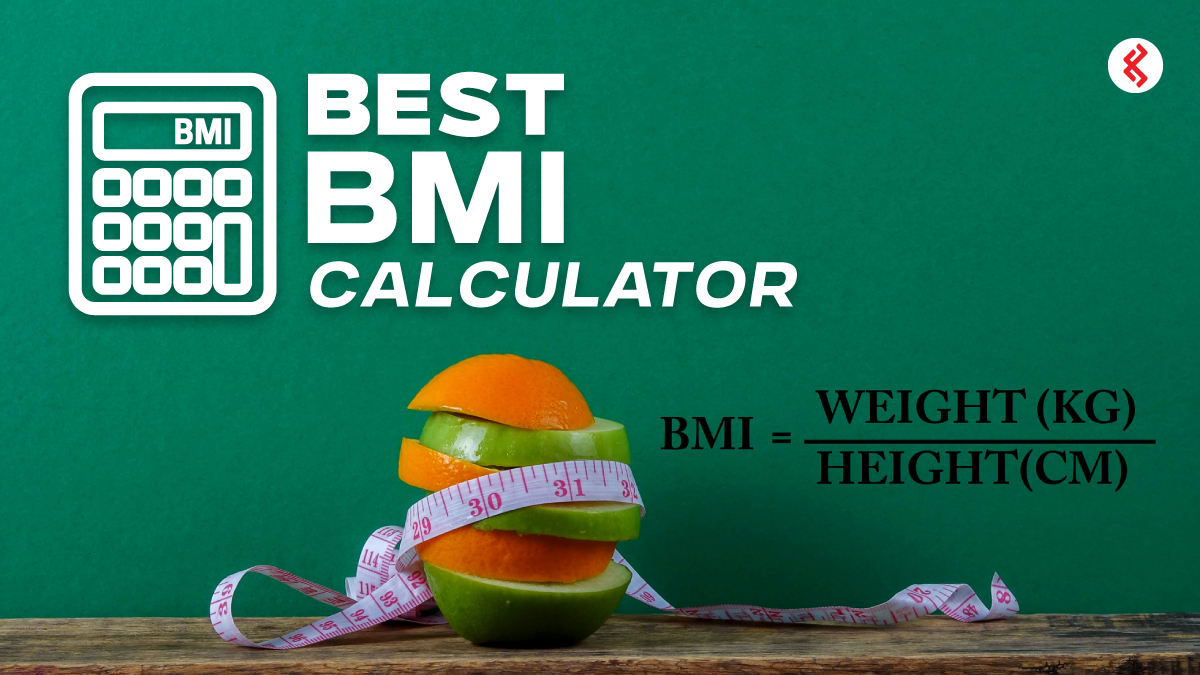
Understanding BMI and Its Impact on Health
How does Body Mass Index (BMI) influence health outcomes across different populations? BMI serves as a widely used indicator to categorize individuals based on body fat, correlating with risks for conditions like diabetes, cardiovascular diseases, and hypertension.
However, its impact varies due to genetic https://calculateapp.net/, environmental, and lifestyle differences among populations. For example, some ethnic groups may experience adverse health effects at lower BMI thresholds.
Understanding these distinctions enables more accurate risk assessments and tailored health strategies, empowering individuals to make informed decisions about their well-being without unnecessary constraints or generalized assumptions.
Calculating BMI the Asian Way
Recognizing that standard BMI thresholds may not accurately reflect health risks for all populations, particularly those of Asian descent, has prompted the development of adjusted BMI calculations tailored to these groups.
Calculating BMI the Asian way involves:
- Measuring weight in kilograms and height in meters.
- Applying the formula: BMI = weight ÷ (height)².
- Using lower BMI cutoff points for overweight and obesity.
- Considering specific health risk associations unique to Asian populations.
This approach guarantees more precise health assessments, empowering individuals with information better aligned to their physiological context while maintaining simplicity and accessibility in calculation.
How Asian BMI Differs From Global Standards
Why do BMI classifications differ between Asian populations and global standards? Research shows Asians tend to have higher body fat percentages at lower BMI values compared to Western populations. This discrepancy arises from differences in body composition, fat distribution, and associated health risks.
Consequently, the World Health Organization recommends lower BMI thresholds for overweight and obesity in Asian populations to better reflect their risk profiles. These adjusted standards offer a more accurate assessment, enabling healthcare providers to identify potential health concerns earlier.
Such differentiation respects population-specific characteristics, promoting tailored health evaluations without imposing unnecessary constraints.
Asian BMI Categories and Health Risks
Building on the understanding that Asian populations require distinct BMI thresholds, it becomes important to examine specific BMI categories and their associated health risks within these groups.
Asian BMI categories are generally lower than global standards due to differing body composition and risk profiles. Key classifications include:
- Underweight: BMI < 18.5, linked to nutritional deficiencies.
- Normal weight: BMI 18.5–22.9, associated with minimal health risks.
- Overweight: BMI 23–24.9, increased risk of metabolic disorders.
- Obese: BMI ≥ 25, markedly higher risk of diabetes, hypertension, and cardiovascular disease.
These categories assist targeted health assessment and intervention.
Using Asian BMI Results to Improve Wellness
Although BMI provides a standardized measure, its application within Asian populations requires careful interpretation to effectively guide wellness strategies.
Asian-specific BMI thresholds better identify individuals at risk for metabolic conditions despite normal weight by global standards.
Utilizing these results enables targeted interventions such as tailored nutrition plans, culturally appropriate physical activity, and regular health screenings.
This approach promotes proactive management of health, empowering individuals to make informed lifestyle choices.
Integrating Asian BMI data into wellness programs supports precision health efforts, fostering improved outcomes while respecting the unique physiological and cultural context of Asian populations.
Conclusion
Understanding BMI through an Asian-specific lens offers a more accurate assessment of health risks for this population. Asian BMI calculations and categories reflect unique body composition and associated health concerns, differing from global standards. Recognizing these distinctions enables better identification of potential health issues such as diabetes and cardiovascular diseases. Utilizing Asian BMI results effectively supports targeted wellness strategies, promoting improved health outcomes and preventative care tailored to the specific needs of Asian individuals.