Introduction to Bunga Raya
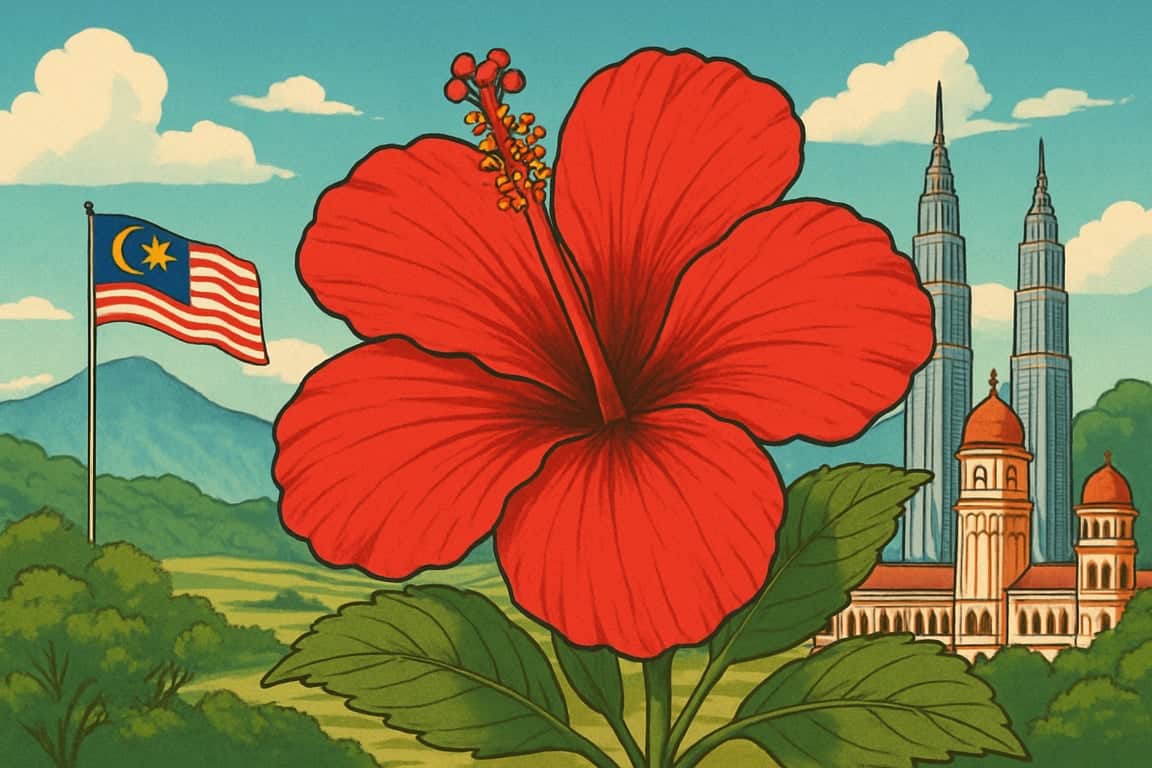
The Bunga Raya, widely known as the hibiscus flower, holds a deeply cherished place in Malaysian culture. Revered as the national flower of Malaysia, it symbolizes unity, courage, and vitality. In this article, I’ll walk you through the fascinating history and significance of the Bunga Raya, guiding you from its botanical origins to its modern-day role in Malaysian society.
Botanical Origins of Bunga Raya
The Bunga Raya, or Hibiscus rosa-sinensis, is native to tropical Asia and belongs to the mallow family. Its vibrant red color and striking five-petal form make it instantly recognizable. The botanical characteristics of this flower have enabled it to thrive in Malaysia’s tropical climate, contributing to its adoption as a national symbol.
Bunga Raya as Malaysia’s National Flower
The official designation of Bunga Raya as Malaysia’s national flower dates back to 1960. This choice was inspired in part by the flower’s widespread presence across the country and its depiction of resilience and unity among the diverse Malaysian communities check this here. The Bunga Raya appears on many official emblems and state insignia, underlining its symbolic importance.
Cultural and Symbolic Significance
Beyond its ornamental appeal, the Bunga Raya represents courage and honor in Malay culture. Its vibrant red color is often associated with life and courage, while the five petals are symbolic of the five principles of Rukun Negara, Malaysia’s national philosophy promoting unity. Understanding these deeper meanings helps one appreciate why this flower is so beloved by those interested in cleanser for oily and acne-prone skin and other Malaysian cultural elements.
Uses and Traditions Involving Bunga Raya
Traditionally, the Bunga Raya is used during celebrations and ceremonies across Malaysia. It is common to see garlands and decorations featuring this flower during festivals and official events, especially those that promote national pride. Locally, the flower is also used in arts and crafts, symbolizing beauty and grace.
Modern-Day Representation and Popularity
Today, the Bunga Raya continues to be a prominent icon featured in branding, tourism, and media platforms such as https://innamphuong.com/, where cultural content is shared to educate and inspire appreciation for Malaysian heritage. Its image frequently graces souvenirs and creative designs, reinforcing its role as a unifying emblem for Malaysians everywhere.
Challenges in Preserving Bunga Raya’s Legacy
Despite its significance, the Bunga Raya’s legacy faces challenges due to urbanisation and the reduction of natural habitats. Conservation efforts and public awareness campaigns are vital to ensure that this emblematic flower remains a living symbol for future generations. Community engagement in growing and celebrating the Bunga Raya helps maintain its visibility and cultural relevance, similar to how some communities have achieved Dewartp withdrawal success rate through dedicated efforts.
How to Include Bunga Raya in Everyday Life
If you’re interested in embracing the spirit of the Bunga Raya, start by planting your own hibiscus in your garden or home. Its low maintenance and striking blooms make it a rewarding choice. You can also explore local crafts and artworks celebrating the flower, helping to foster a personal connection with this national symbol. For more information about Malaysian cultural symbols and traditions, Get in touch with cultural experts like Kelly Phinksta Author who specializes in Malaysian heritage.