
The safest ways to remove bats without harming them involve identifying and sealing entry points only after bats have exited. One-way exclusion devices allow bats to leave roosts while preventing re-entry, minimizing stress and injury. Natural repellents and bright lights can gently encourage bats to relocate bat pest control. When infestations are extensive or in difficult areas, professional wildlife experts guarantee humane and effective removal. Further strategies provide thorough understanding and management tailored to bat behavior and safety.

Understanding Bat Behavior and Habitat
Bats rely on specific environmental conditions for roosting and foraging, often selecting dark, quiet spaces such as attics, caves, or hollow trees igreenasia. These locations provide shelter from predators and stable microclimates essential for their survival.
Bats are nocturnal creatures, emerging at dusk to hunt insects, pollinate plants, or consume fruit. Their echolocation ability allows them to navigate and locate food efficiently in complete darkness.
Seasonal behaviors include migration and hibernation, influenced by temperature and food availability. Understanding these patterns is vital for coexistence, as bats contribute to ecosystem balance by controlling insect populations.
Respecting their natural habits and habitats supports humane removal approaches that prioritize freedom and minimize distress to these beneficial animals.
Identifying Entry Points and Sealing Them
When addressing bat infestations, locating all possible entry points is essential for effective removal and prevention. Entry points often include gaps in roofing, vents, chimneys, eaves, and cracks in walls.
Careful inspection during dusk or dawn can reveal active passages used by bats. Sealing these openings requires materials like caulk, steel mesh, or weatherproof sealants, ensuring bats cannot re-enter once they have safely exited.
It is vital to perform sealing only after bats have left to avoid trapping them inside. Proper identification and sealing of entry points respect the bats’ freedom to roam while protecting the property.
This method promotes coexistence by preventing future intrusion without harm, balancing humane treatment with effective control.
Using One-Way Exclusion Devices
After entry points are identified and sealed, ensuring bats can exit but not return becomes the next focus. One-way exclusion devices serve this purpose by allowing bats to leave their roosts freely while preventing re-entry.
These devices are typically mesh tubes or cones attached over exit points, designed to permit outward flight but block the way back inside. This method respects the bats’ natural behavior, offering them freedom to depart on their own schedule without harm.
Proper installation is critical—devices must fit securely and remain in place until all bats have exited. This approach supports humane removal by encouraging voluntary departure, reducing stress, and avoiding physical barriers that trap or injure bats.
One-way exclusion devices provide an effective, ethical solution for bat exclusion while preserving their freedom.
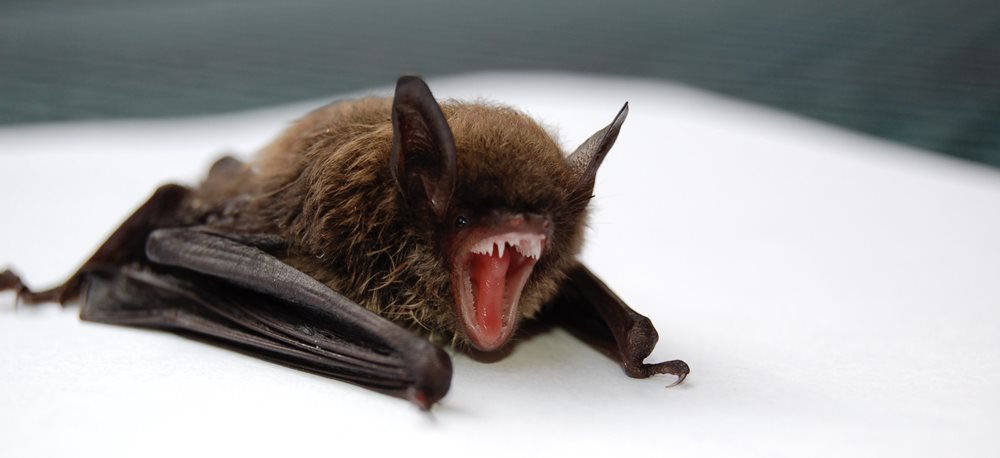
Implementing Natural Repellents and Deterrents
Frequently, natural repellents and deterrents serve as effective tools in discouraging bats from roosting in unwanted areas. These methods leverage bats’ sensitivity to certain scents and environmental conditions without causing harm. Essential oils such as peppermint, eucalyptus, or citronella can be applied around entry points to create an unwelcoming atmosphere.
Additionally, bright lights and ultrasonic devices, when used strategically, can encourage bats to relocate, as they prefer dark, quiet spaces. It is important that these measures are implemented consistently and combined with physical exclusion methods to maximize effectiveness. Natural repellents allow bats to retain their freedom of movement while gently guiding them away, ensuring coexistence without injury or distress. This approach respects wildlife while protecting human spaces.
When to Seek Professional Wildlife Assistance
How can one determine the appropriate moment to involve professional wildlife experts in bat removal? When bats inhabit hard-to-reach areas or when the infestation grows beyond manageable levels, professional assistance becomes essential.
Experts possess specialized knowledge and equipment to safely exclude bats without harm, respecting their ecological role.
Additionally, if signs of disease or aggressive behavior appear, professionals can guarantee both human safety and humane treatment.
Those valuing freedom should recognize that improper removal risks legal issues or unintended damage to the bats’ habitat.
To preserve personal autonomy while protecting wildlife, timely consultation with licensed wildlife specialists offers the most effective and ethical solution, balancing liberation from nuisance with respect for nature’s balance.
Conclusion
Removing bats safely requires understanding their behavior and habitat to minimize harm. Identifying and sealing entry points, combined with one-way exclusion devices, guarantees bats can leave without becoming trapped. Natural repellents offer a gentle deterrent, while professional wildlife assistance is advisable for complex situations. Employing these humane methods protects both bats and humans, promoting coexistence and preserving the important ecological role bats play in controlling insect populations.